
In Focus
Medhum highlights timely themes in medicine, culture, and the arts, exploring their impact on human experiences. Below are topics we have focused on. We want to hear from you! If there are issues and topics you’d like us to tackle, please Let Us Know!
Collapse All | Expand All
2026.04 | Expect the Unexpected
Expect the Unexpected

Everything is Tuberculosis: The History and Persistence of Our Deadliest Infection by…
A narrative exploring tuberculosis through history, inequality, medical progress, and global injustice.

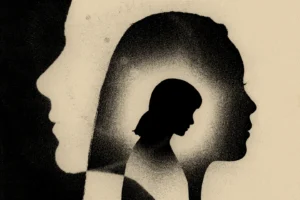
Children Who Remember Former Lives
An exploration of children reporting past-life memories, examining evidence, skepticism, and philosophical implications for consciousness and identity.


The Expendable Man by Dorothy B. Hughes
A tense noir thriller where a young doctor becomes the prime suspect in a mysterious desert murder.

2026.03 | Activism
MedHum highlights activism’s power in turbulent times, advancing policy change in medicine, research, health, and prisoner rights.

When AIDS Activism Went Inside a Hospital: Ward 5B at San Francisco General
Documentary recounts San Francisco’s Ward 5B, where nurses and activists humanized AIDS care amid fear.


Craftivism is Activism
From AIDS quilts to protest knitting, craftivism transforms domestic creativity into engaging tools for social activism.

Blood in the Water: The Attica Uprising of 1971 and its Legacy by…
A powerful history of the Attica prison uprising exposing injustice, political power, and America’s carceral legacy.


Blood Feud: The Man Who Blew the Whistle on One of the…
A gripping account of pharmaceutical whistleblowing, corporate misconduct, and the deadly consequences of profit-driven medicine.
2026.02 | Theater
This month we explore how theater illuminates illness, care, and the human condition through dramatic works.

Hag-Seed by Margaret Atwood
Atwood’s retelling of Shakespeare’s The Tempest unfolds in an unlikely setting.

Embodiment as Performance: Anne Gridley’s Watch Me Walk
Anne Gridley transforms walking into defiant performance, confronting disability, discomfort, and rare disease awareness head-on.


Margo Weishar: The Excellent Doctor Blackwell
Margo Weishar explores Elizabeth Blackwell’s hidden life, ambition, and sacrifice ahead of a public reading.


4:48 Psychosis by Sarah Kane
Sarah Kane’s final play fractures theatrical form to embody depression, psychosis, and the limits of language.
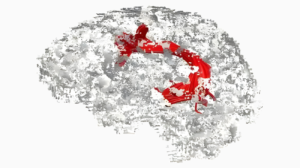
Feeling Dementia from the Play, The Father
Florian Zeller’s The Father immerses audiences inside dementia, transforming theatrical disorientation into visceral understanding and empathy.

Under the Skin, but Out of Focus: Bug on Broadway
Broadway revival of Tracy Letts’ Bug probes paranoia, race, and medical ethics.

Hamnet by Maggie O’Farrell
Maggie O’Farrell’s Hamnet reimagines Shakespeare’s family life to explore grief, plague, and the endurance of love.

Learning Empathy through Chekhov
A psychiatrist-playwright shows how adapting classic drama for medical students cultivates empathy and reflective care practice.

When Artificial Intelligence Talks but Can’t Touch: Marjorie Prime
As anxieties about AI and mental health mount, a new Broadway drama confronts grief digitally today.

Julie Ridge : Bipolar & The English Channel
Julie Ridge’s one-woman show Bipolar & The English Channel explores her journey as a record-breaking swimmer and living with bipolar disorder.
2026.01 | Individual in Society
This month we explore tensions between individual rights and societal demands, highlighting courage and resilience amid constraints.

Daughters of the Bamboo Grove by Barbara Demick
International adoption from China arose amid policy-driven abandonment, later fostering trafficking incentives and coerced family separations.


When Your Body Isn’t Yours
This essay examines how policy, culture, and power quietly claim women’s bodies worldwide.

Three Poems by Gary Soto
Three poems explore cultural identity, family conflict, and the influence of media on class, belonging, and cross-cultural understanding.


Pushback: Mary Fissell looks back at 2500 years of abortion history
A sweeping new history examines how societies across millennia have regulated, resisted, and reshaped access to abortion.

2025.12 | Artificial Intelligence
As AI reshapes medicine, culture, and creativity, MedHum reflects on ethics, imagination, and what remains uniquely human.

Michael Pollan Trips over Consciousness
Inside a Cave, Coming to Grips with the Mystery of Consciousness

Hands
During the clinic visit, the patient map unfurls, their hands leaving little clues.


Meet the MedHum Team: Dr. Steven Field
A conversation exploring medical humanities, empathy in medicine, technology’s impact, and the evolving doctor-patient relationship.

Playground by Richard Powers
A dazzling novel where ocean mysteries, human bonds, and uncertain AI futures intertwine with beauty and suspense.

Shannon Vallor’s The AI Mirror: A Metaphor
Shannon Vallor uses the metaphor of a mirror to reveal how AI reflects and distorts our shared humanity.

Speak by Louisa Hall
A haunting, multi-voiced novel exploring artificial intelligence, empathy, and what it truly means to be human.

The Anxious Generation by Jonathan Haidt
Our digital addiction is reshaping reality, and unless we reclaim real-world connections, the future may be irreversibly anxious.

2025.11 | Infectious Disease
As Winter approaches we revisit three works with a focus on infectious disease, its human cost as well as its prevention.

Five Little Peppers and How They Grew by Margaret Sidney
Children’s literature offers a lens into public perception and experience of childhood infectious diseases as we face a resurgence of these same illnesses today.


When the Literary Adds to the Historical
The 1918 flu pandemic’s history and literature together reveal its vast global impact and intimate human suffering, offering fuller insight than either alone.

The End of Days by Bernard MacLaverty
In war-torn Vienna, 1918, artist Egon Schiele faces love, loss, and mortality as the Spanish flu devastates his family.

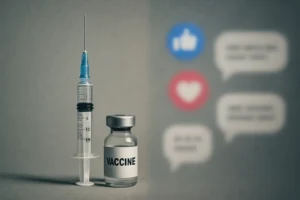
Stuck By Heidi J. Larson
Heidi J. Larson explores the cultural, moral, and social roots of vaccine hesitancy before the Covid pandemic.

The Great Influenza by John Barry
John Barry’s The Great Influenza vividly recounts the 1918 pandemic’s medical, social, and political upheavals with novelistic precision.

Vaccination in Danger
Vaccine pioneer Stanley Plotkin reflects on the growing opposition to vaccination despite its proven, lifesaving impact worldwide.

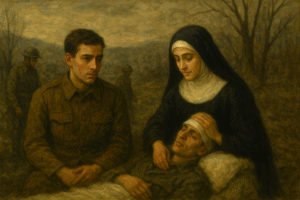
The Winter Soldier by Daniel Mason
A lyrical World War I tale blending medicine, love, and ethics, The Winter Soldier immerses readers in history and humanity.

From Tigers to Otaku
Parenting in Chinese Canadian immigrant families carries both triumphs and struggles, shaping children into overachievers—or isolating, withdrawn adolescents.

Biblioscopy: A Glimpse of What I’m Currently Reading
Three striking new books explore the intersections of medicine, mortality, and meaning—from spiritual rituals to pandemic survival and quiet grief.

Biblioscopy: A Glimpse of What I’m Currently Reading
Three insightful 2025 books examine medicine’s heart: the body’s poetry, doctors’ flaws, and the blurred line between science and quackery.
2025.10 | Mental Health
October marks Mental Health Awareness Month, and we spotlight moving narratives that explore struggles, resilience, and healing in illness.

Factors Underlying Mental Disorders Depicted in Pink Floyd’s The Wall
Using Pink Floyd’s The Wall, this episode explores psychiatric diagnosis through music, film, trauma, and medical education.

The Yellow Wallpaper by Charlotte Perkins Gilman
Charlotte Perkins Gilman’s haunting tale exposes patriarchal medicine, isolation, and psychological collapse through symbolism.


Eat Your Ice Cream
A pragmatic guide to longevity that favors balance, evidence, and meaningful human connection.

Flushing the Script: Madness, Medication, and Patriarchy in The Housemaid
A thriller about psychopharmaceuticals becomes a feminist meditation on madness, coercion, and resistance within patriarchal domestic spaces.

Bibliophobia by Sarah Chihaya
Blending memoir and criticism, Sarah Chihaya’s Bibliophobia explores depression, identity, and the perilous yet healing power of books.

How To Be Depressed by George Scialabba
A candid, unconventional book blending psychiatric records, personal struggle, and practical tips, offering rare insight into living with depression.

The Collected Schizophrenias by Esmé Weijun Wang
This essay collection explores living with severe mental illness, blending memoir, cultural critique, and reflections on resilience, treatment, and identity.

One Friday in April by Donald Antrim
Donald Antrim’s memoir confronts suicide, psychosis, and survival with unflinching honesty, blending personal crisis, hospitalization, and hard-earned hope.

Mental Cases by Wilfred Owen
Owen’s stark poem portrays shell-shocked soldiers haunted by war, exposing both their torment and society’s complicity in their suffering.


The Tennis Partner by Abraham Verghese
A special podcast episode blending sports and medicine, exploring The Tennis Partner and the complexities of friendship, addiction, and healing.
2025.09 | Parenting
The Fall marks the beginning of the school year. To celebrate our children’s return to the classroom, we turn our lens to Parenting.

Being Mortal by Atul Gawande
A thoughtful conversation on aging, mortality, and balancing quality of life with survival in care decisions

Biblioscopy: A Glimpse of New and Upcoming Books
New books probe illness, injury, empathy, burnout, and medicine’s fragile yet enduring human limits.

Beloved by Toni Morrison
A haunting, nonlinear exploration of slavery, memory, motherhood, and trauma in Toni Morrison’s masterwork American.


The Names by Florence Knapp and Flashlight by Susan Choi
Sudden life-altering events shape human experience; The Names and Flashlight explore divergent consequences through contrasting narrative styles.

Second Life by Amanda Hess
A powerful blend of memoir and critique, Amanda Hess examines pregnancy, technology, and parenting amid modern medicine’s promises and digital noise.


How Real is the Pitt?
Dr. Stuart Harman joins Apollo On Call to explore The PITT—a gripping medical drama through the lens of medical humanities.
The Remarkable Life of Ibelin
A poignant documentary exploring how a young man with muscular dystrophy found profound connection and purpose in virtual worlds.

Enemies by Anton Chekhov
A grieving doctor is pulled from his dying child’s side, only to face betrayal, class tension, and moral outrage.
2025.08 | Chekhov
This month we focus on Chekhov, a master of literature and medicine, balancing storytelling and healing brilliantly within a brief 44 years.
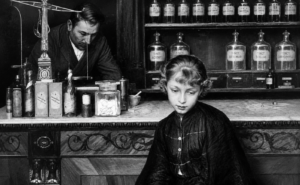
Two Long-Hidden Stories about Barriers to Health Care Surface and Still Relate
Two unknown stories from the past forewarn of problems in health care ahead.

Cold Eye, Warm Heart: Medicine and Anton Chekhov
A moving portrait of Anton Chekhov, whose dual life as physician and writer reveals the deep interplay between healing and storytelling.

An Awkward Business by Anton Chekhov
A country doctor grapples with guilt and class privilege after striking his drunken assistant in this tale of conscience and authority.

The Grasshopper by Anton Chekhov
Chekhov’s tragic tale of love, betrayal, and regret, where a devoted doctor’s sacrifice exposes life’s cruel ironies.

Ionych by Anton Chekhov
A provincial doctor’s romantic disillusionment gives way to greed and apathy in Chekhov’s biting portrait of emotional and moral decay.

A Doctor’s Visit by Anton Chekhov
A young doctor’s visit to a factory owner’s daughter reveals the emotional roots of illness through empathy, confinement, and human connection.

Ward No. 6 by Anton Chekhov
A powerful story of disillusionment, *Ward No. 6* explores suffering, detachment, and the psychological toll of a life without meaning.

A Nervous Breakdown by Anton Chekhov
Chekhov’s A Nervous Breakdown follows a law student’s moral collapse after confronting society’s apathy toward the realities of prostitution.
Painting an Ideal: Luke Fildes’ The Doctor with Hannah Darvin
Luke Fildes’ 1891 painting The Doctor evolved from a criticized debut into an enduring, multifaceted symbol of the compassionate physician ideal.
2025.07 | Trauma
This month we continue to explore how the arts and the humanities can help us understand trauma, war and displacement.

Even the Gods Cannot Save Odysseus from PTSD
The story of The Odyssey is many things, not the least of which is a story of post-traumatic stress disorder.


Three Paintings by Edvard Munch
Edvard Munch transformed personal family tragedies into haunting paintings that reveal illness, grief, isolation, and enduring emotional suffering.

We Want So Much to Be Ourselves by Stephen O’Connor
Love, Duty and Psychoanalysis in Third Reich Berlin

Rethinking Mental Illness: Interview with Dr. Gavin Francis
In his chair at the clinic, Dr. Gavin Francis sees the mind as much less fragile than the rhetoric in our culture suggests.

Do No Harm: Stories of Life, Death, and Brain Surgery by Henry Marsh
A neurosurgeon reflects on triumphs, failures, mortality, and compassion through decades of brain surgery.

Interview with John O’Connor: Magic Mushrooms and the Search for Meaning
A conversation with the author about today’s psychedelic renaissance

The Broken Column by Frida Kahlo
Frida Kahlo transforms personal trauma and chronic pain into powerful visual meditations on body, identity, and survival.

Oedipus–Adapted for the Stage by Robert Icke
Icke’s Oedipus reimagines plague, politics, and identity, highlighting trauma, narrative humility, chronotopes, and ethical listening.

Interior by Edgar Dégas
Dégas’ intimate scene explores light, perspective, and ambiguous human tension in a dimly lit, emotionally charged room.

Forspoken – A Tale of Chronic Trauma
Forspoken blends role-playing, action, and open-world gameplay to tell a magical yet deeply human story about chronic trauma and healing.
2025.06 | Video Games
This month we spotlight video games, a growing industry shaping people and profoundly influencing the medical humanities.

Illness Unfolds Before Your Eyes
A video game removes player control to simulate how the lived experience of illness disrupts time and space
Forspoken – A Tale of Chronic Trauma
Forspoken blends role-playing, action, and open-world gameplay to tell a magical yet deeply human story about chronic trauma and healing.
The Remarkable Life of Ibelin
A poignant documentary exploring how a young man with muscular dystrophy found profound connection and purpose in virtual worlds.

A Missing Genre: Video Games in the Health Humanities
Video games offer powerful narratives and emotional depth—it’s time health humanities embraced them as meaningful, transformative cultural texts.
The Anxious Generation by Jonathan Haidt
Our digital addiction is reshaping reality, and unless we reclaim real-world connections, the future may be irreversibly anxious.