
Category: Review
Reviews and critiques of art, literature, and media exploring health, identity, and human experience.
LATEST IN THIS CATEGORY

Further Adventures of the Family from One End Street by Eve Garnett
A measles outbreak in the Ruggles family sends children to the isolation hospital and recuperation in the English countryside

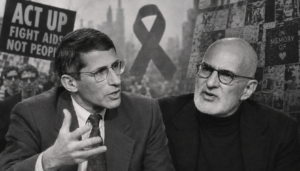
Kramer/Fauci: What Gets Lost in the Bubbles
A historic exchange, but an incomplete history.


Stone Yard Devotional by Charlotte Wood
A central theme of the novel is how people cope with the unpredictability of life.


Even the Gods Cannot Save Odysseus from PTSD
The story of The Odyssey is many things, not the least of which is a story of post-traumatic stress disorder.


Hag-Seed by Margaret Atwood
Atwood’s retelling of Shakespeare’s The Tempest unfolds in an unlikely setting.


The Buried City: Unearthing the Real Pompeii by Gabriel Zuchtriegl
Pompeii reminds us that mass casualties are a terrifying yet constant feature of human existence

Being Reasonable: The Case for a Misunderstood Virtue by Krista Lawlor
A compelling philosophical exploration argues that reasonableness, not mere rationality, is essential for human relationships and society.

Five Little Peppers and How They Grew by Margaret Sidney
Children’s literature offers a lens into public perception and experience of childhood infectious diseases as we face a resurgence of these same illnesses today.

Three Paintings by Edvard Munch
Edvard Munch transformed personal family tragedies into haunting paintings that reveal illness, grief, isolation, and enduring emotional suffering.


We Want So Much to Be Ourselves by Stephen O’Connor
Love, Duty and Psychoanalysis in Third Reich Berlin


How The Doctor Rose From Grave Robber To Great Man
Arrowsmith (1925) marks a dramatic shift in the American imagination from viewing scientific doctors as monsters to viewing them as heroes.


Crying in H Mart: A Memoir by Michelle Zauner
A memoir traces grief, identity, and love through food, memory, and cultural inheritance.


Disability as a Plot Device in Tuner
How Tuner transforms disability into a cinematic superpower

Do No Harm: Stories of Life, Death, and Brain Surgery by Henry Marsh
A neurosurgeon reflects on triumphs, failures, mortality, and compassion through decades of brain surgery.


The Waiting Room by George Tooker
George Tooker’s haunting painting reveals anonymity, isolation, and powerlessness within institutional waiting spaces.

The Yellow Wallpaper by Charlotte Perkins Gilman
Charlotte Perkins Gilman’s haunting tale exposes patriarchal medicine, isolation, and psychological collapse through symbolism.
