A public voice cultivating empathy & critical thinking in health, culture & the arts

The Medical Humanities Review ➔

A public voice cultivating empathy & critical thinking in health, culture & the arts for a deeper understanding of the human experience.
Further Adventures of the Family from One End Street by Eve Garnett 

Further Adventures of the Family from One End Street by Eve Garnett 

A measles outbreak in the Ruggles family sends children to the isolation hospital and recuperation in the English countryside

ByGretl Lam 10.13.26
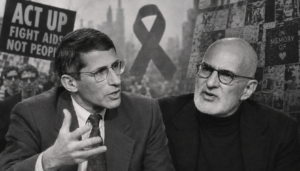
Kramer/Fauci: What Gets Lost in the Bubbles 

Kramer/Fauci: What Gets Lost in the Bubbles 

A historic exchange, but an incomplete history. 

ByRudy Malcom 10.08.26
Stone Yard Devotional by Charlotte Wood 

Stone Yard Devotional by Charlotte Wood 

A central theme of the novel is how people cope with the unpredictability of life.

Even the Gods Cannot Save Odysseus from PTSD

Even the Gods Cannot Save Odysseus from PTSD

The story of The Odyssey is many things, not the least of which is a story of post-traumatic stress disorder. 

ByKit Neikirk 09.28.26

This month we focus on the nexus of and interface between medicine and the humanities.

When Your Body Isn’t Yours 

When Your Body Isn’t Yours 

This essay examines how policy, culture, and power quietly claim women’s bodies worldwide.

ByDave Hsu 01.12.26
Three Poems by Gary Soto 

Three Poems by Gary Soto 

Three poems explore cultural identity, family conflict, and the influence of media on class, belonging, and cross-cultural understanding.

ByFelice Aull 01.10.26
An Awkward Business by Anton Chekhov 

An Awkward Business by Anton Chekhov 

A country doctor grapples with guilt and class privilege after striking his drunken assistant in this tale of conscience and authority.

ByJack Coulehan 06.11.25
Enemies by Anton Chekhov

Enemies by Anton Chekhov

A grieving doctor is pulled from his dying child’s side, only to face betrayal, class tension, and moral outrage.

ByJack Coulehan 01.11.25
Hag-Seed by Margaret Atwood 

Hag-Seed by Margaret Atwood 

Atwood’s retelling of Shakespeare’s The Tempest unfolds in an unlikely setting. 

The Buried City: Unearthing the Real Pompeii by Gabriel Zuchtriegl

The Buried City: Unearthing the Real Pompeii by Gabriel Zuchtriegl

Pompeii reminds us that mass casualties are a terrifying yet constant feature of human existence 

Aging as Destiny 

Aging as Destiny 

A provocative novel about aging, mortality, agency, risk, and the uncertain bargains we make with destiny.

Rethinking Mental Illness: Interview with Dr. Gavin Francis

Rethinking Mental Illness: Interview with Dr. Gavin Francis

In his chair at the clinic, Dr. Gavin Francis sees the mind as much less fragile than the…

ByRudy Malcom 07.14.26
Meet the Medhum Team: Dr. Tony Miksanek

Meet the Medhum Team: Dr. Tony Miksanek

Writer, runner, and medical humanities advocate explores storytelling, trust, vulnerability, and the human side of care.

ByDave Hsu 06.26.26
Against Medical Nihilism Through Perseverance and Humility with Dr Ross Upshur

Against Medical Nihilism Through Perseverance and Humility with Dr Ross Upshur

Medical nihilism questions medicine’s uncertainty, treatment breakthroughs, and how we make thoughtful health care decisions.

AIDS in the Comics: The Graphic Memoir Taking Turns with MK Czerwiec

AIDS in the Comics: The Graphic Memoir Taking Turns with MK Czerwiec

A nurse’s graphic memoir reveals the human stories, suffering, and compassion behind the AIDS crisis.

Subscribe to our newsletter to get latest stories!

The Medical Humanities Review

Cultivating empathy & critical thinking in health, culture & the arts


MedHum is a 501(c)(3) charitable organization funded by sponsors and member donations.

The information provided on this site is intended solely for educational purposes and is not considered to be professional medical advice.

©2024- MedHum Corporation. All rights reserved • Privacy Policy • Terms of Use