
The Great Influenza by John Barry

John Barry’s The Great Influenza vividly recounts the 1918 pandemic’s medical, social, and political upheavals with novelistic precision.
John Barry’s The Great Influenza vividly recounts the 1918 pandemic’s medical, social, and political upheavals with novelistic precision.

Vaccine pioneer Stanley Plotkin reflects on the growing opposition to vaccination despite its proven, lifesaving impact worldwide.

This poem confronts prejudice, hate, and moral conflict, depicting a doctor treating a bigoted patient with professional duty despite deep offense.

A haunting novel about guilt, memory, and morality, exploring how ambition corrodes empathy and human connection.

Dégas’ intimate scene explores light, perspective, and ambiguous human tension in a dimly lit, emotionally charged room.

Two paintings by Jean-Baptiste Greuze capture weary domesticity and maternal intimacy.

Blending memoir and criticism, Sarah Chihaya’s Bibliophobia explores depression, identity, and the perilous yet healing power of books.

Sudden life-altering events shape human experience; The Names and Flashlight explore divergent consequences through contrasting narrative styles.

The “fragmentary novel” Flights, offers literary descriptions of phantom limb pain by imagining what a known amputee from the past may have gone through.
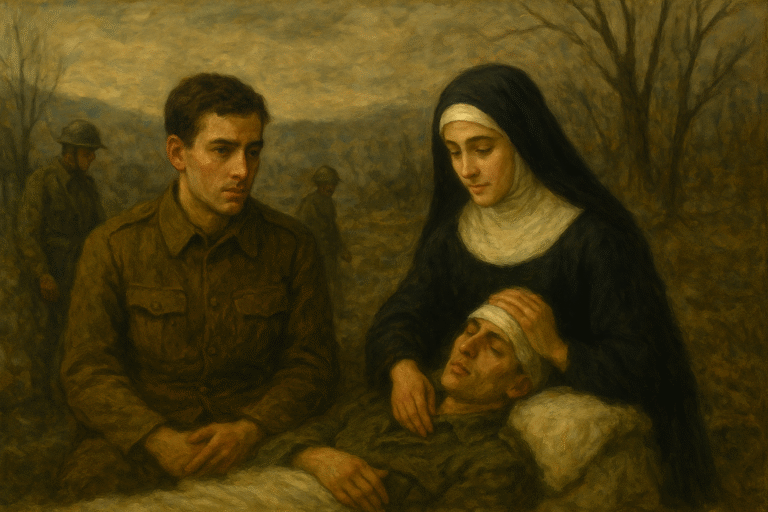
A lyrical World War I tale blending medicine, love, and ethics, The Winter Soldier immerses readers in history and humanity.