For thousands of years, the value of medical treatments of the day was disparaged with some frequency mostly in the form of quips from prominent people in health care, the arts, government, and social commentary. More recently, the quips evolved into formal philosophical arguments conveying a view that the likelihood of any new medical treatment becoming a major breakthrough is low. The term “medical nihilism” is now associated with this view.
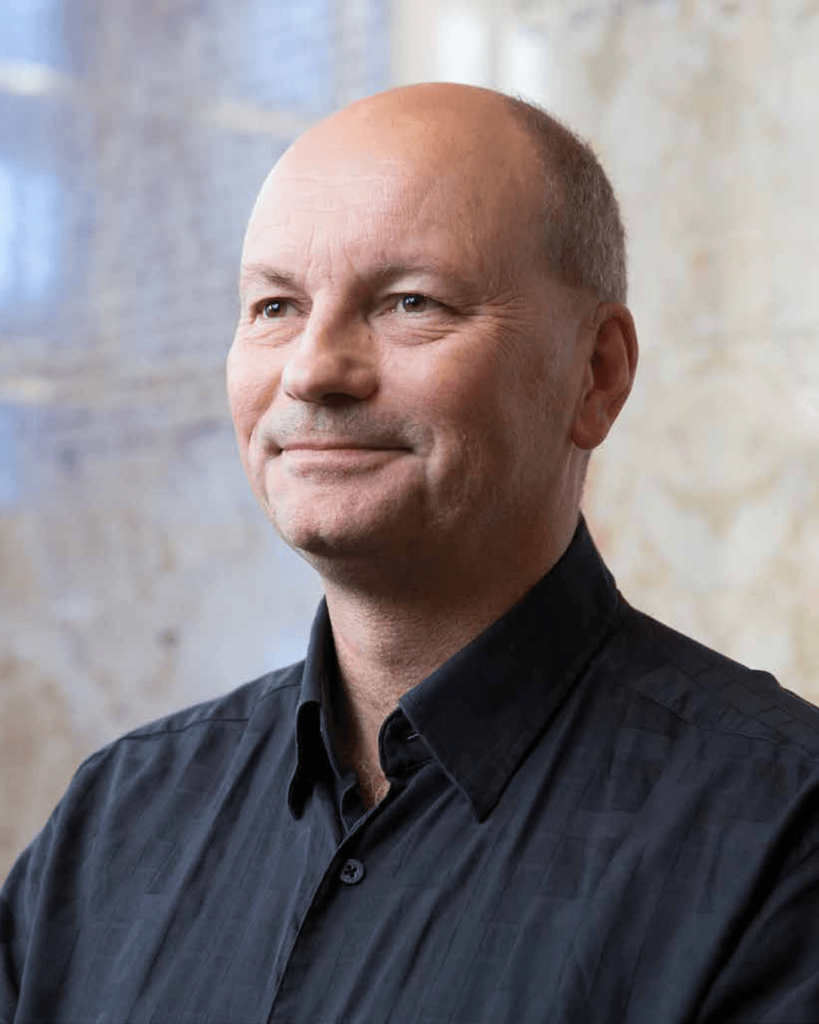
In this episode, with the physician and philosopher Dr. Ross Upshur, we cover medical nihilism conceptually and assess how well the term fits the arguments underlying it. We discuss some of the components comprising the arguments, which are generally real, and how they can contribute to medical nihilism, and validate the uncertainty existing in medicine for some. We talk further about how to accept this uncertainty and manage our health care decisions as providers, educators, and consumers without falling into the despair of medical nihilism.
Note that throughout the episode, we mention Jacob Stegenga and his book, Medical Nihilism, and also Jonathan Fuller and his book, The New Modern Medicine. We mention Ross Upshur and Maya Goldenberg’s article, Countering Medical Nihilism by Reconnecting Facts and Values in Studies in History and Philosophy of Science. Citations for each are listed below.
Primary Sources
Upshur, Ross, and Maya J. Goldenberg. “Countering Medical Nihilism by Reconnecting Facts and Values.” Studies in History and Philosophy of Science Part A, vol. 84, Dec. 2020, pp. 75–83. (Available as pdf at Maya Goldenberg’s website.)
Stegenga, Jacob. Medical Nihilism. Oxford University Press, 2020.
Fuller, Jonathan. The New Modern Medicine: Disease, Evidence, and Epidemiological Medicine. Oxford University Press, 2025, academic.oup.com/book/61541. (Available as open access at Oxford University Press.)
Links
Biosketch for our guest Dr. Ross Upshur
FDA list of recalls, market withdrawals, and safety alerts.
Attributions
For audio clip: From Atonement by Ian McEwan, read by Jill Tanner. Audiobook. [Recorded Books, 2002]. Accessed via Spotify.
Episode image:
Oliver Wendell Holmes, Sr
Credit: Oliver Wendell Holmes. Colour lithograph by Sir L. Ward [Spy], 1886. Wellcome Collection. Source: Wellcome Collection. License: Public Domain Mark.
Thanks to Dr. Ross Upshur for his interesting and insightful contributions to this episode.
More from The Clinic & The Person

I’m Sick, Therefore I Am: Illness as Normality in Nervous System with Author Lina Meruane

“No Escape from Reality:” Thomas Kuhn and the Reliability of Medical Knowledge

Heal Me: Childhood Trauma in The Who’s Tommy with Dr. Anthony Tobia